Does Homeowners Insurance Cover Sinkhole Damage in Georgia?
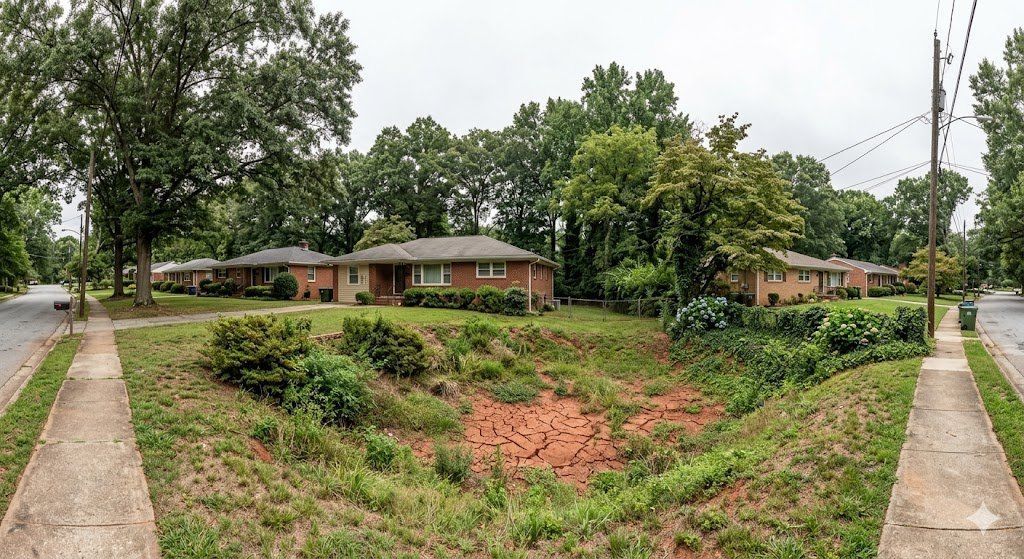
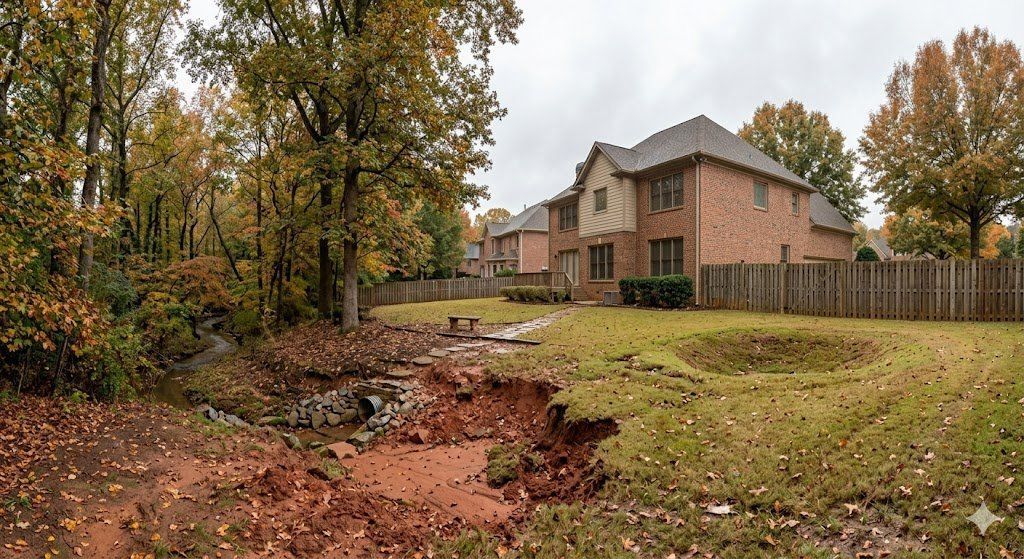
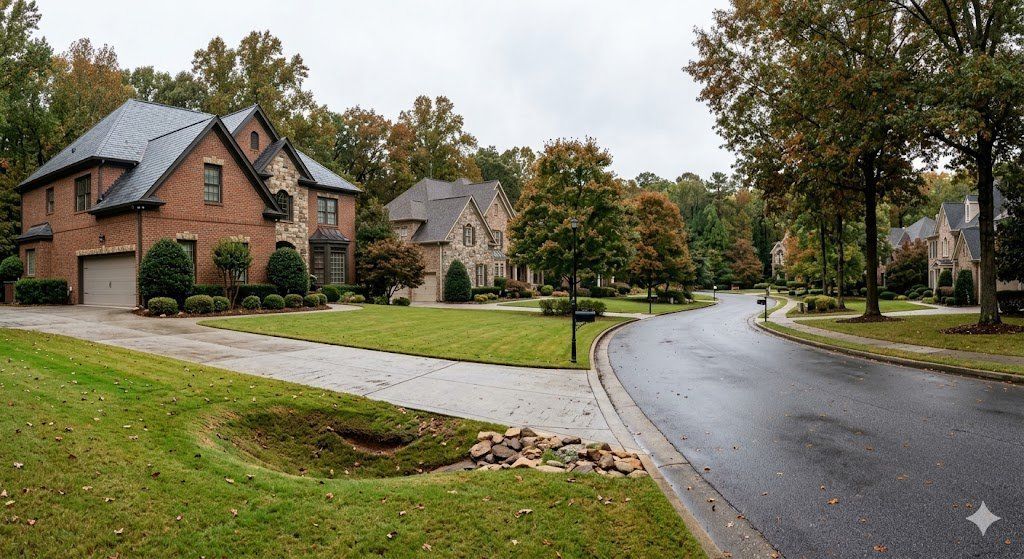
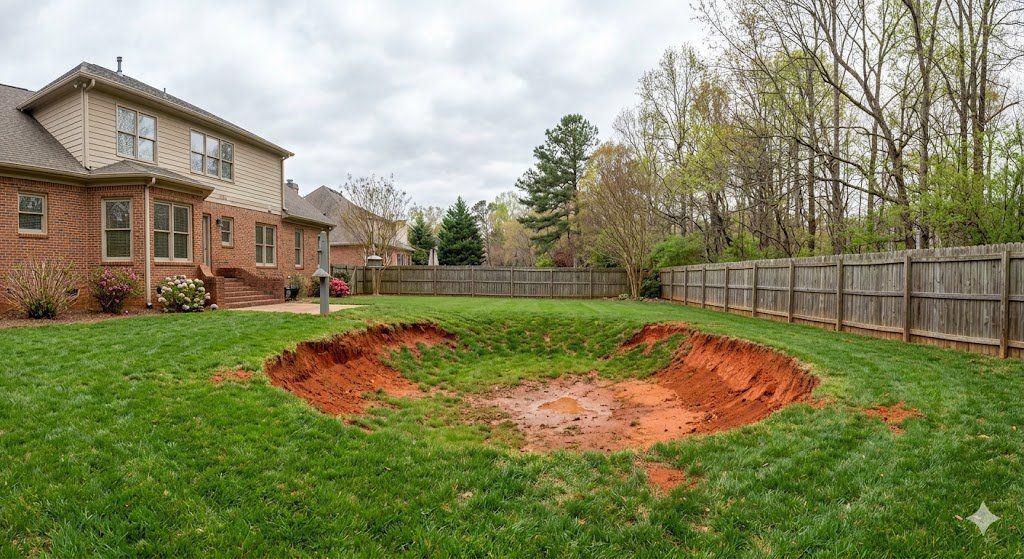
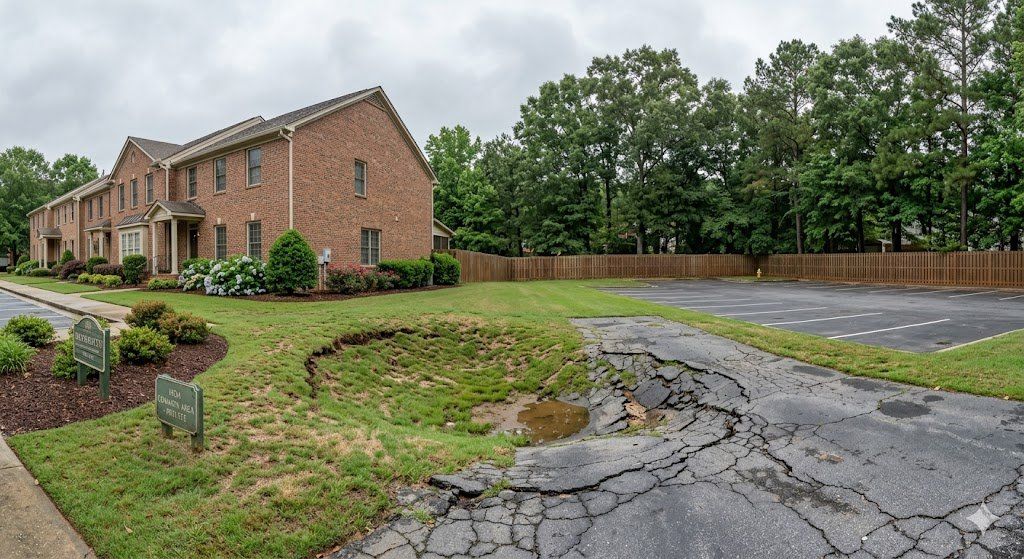
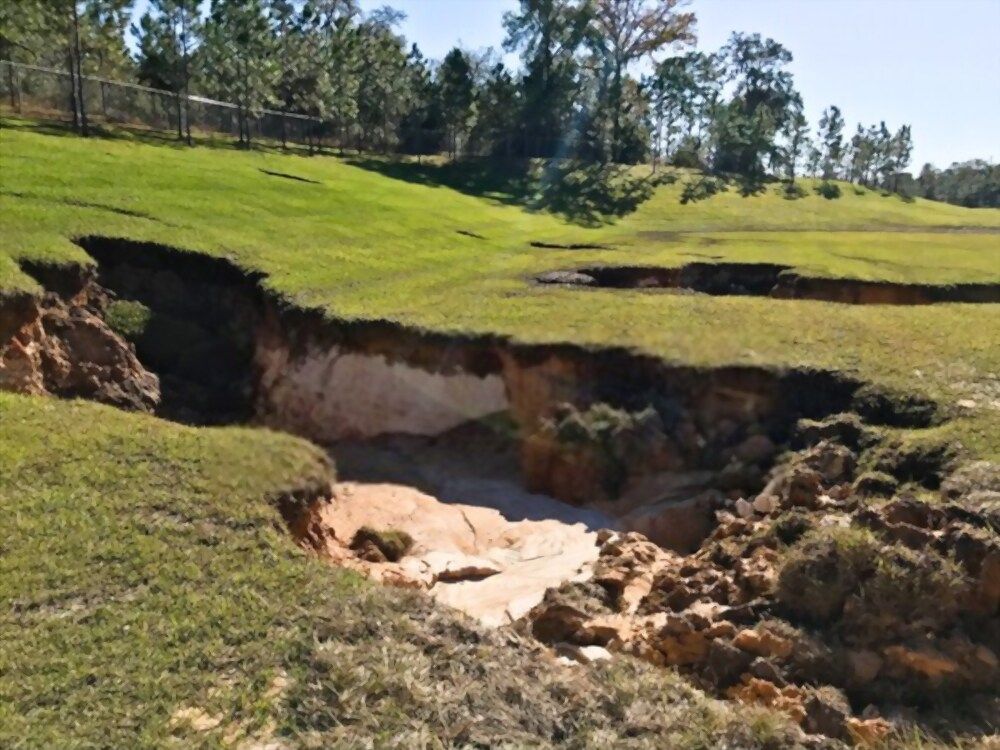
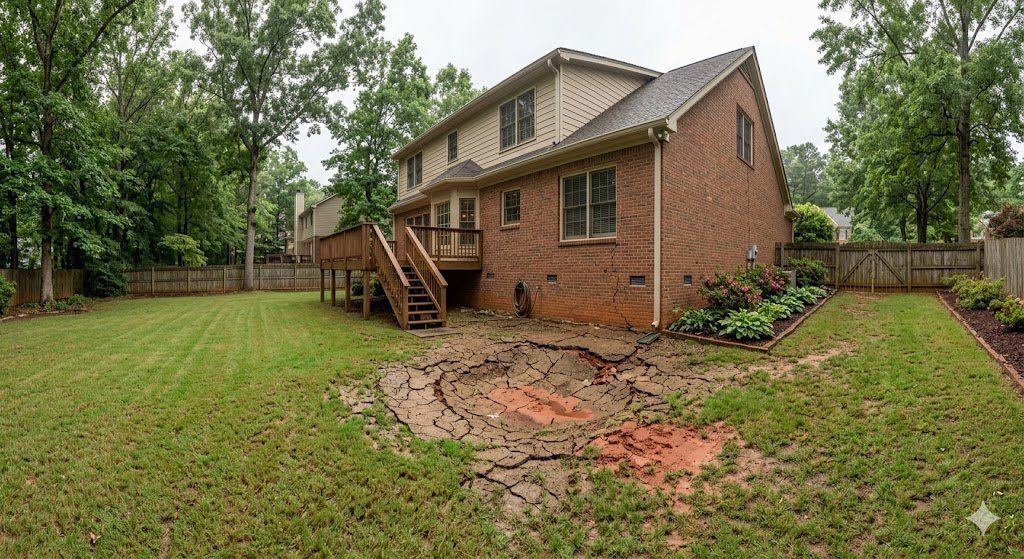
A sinkhole appears on your Georgia property. Your first instinct is to call your insurance company. Before you do, there's something critical you need to know. Standard homeowners insurance policies in Georgia almost never cover sinkhole damage by default. Most Georgia homeowners don't realize this until it's too late. This guide explains exactly what's covered, what's not, and how to protect yourself before a sinkhole forces the issue.
Why Georgia Homeowners Are Often Unprotected
Georgia does not require insurers to offer sinkhole coverage the way Florida does. In Florida, state law mandates that insurers offer sinkhole coverage to every homeowner. Georgia has no such requirement. As a result, coverage is entirely optional — and most homeowners never think to add it.
Standard homeowners insurance policies in Georgia — called HO-3 policies — are designed to cover sudden, accidental losses. Things like fire, wind, hail, and theft are typically covered. Ground movement, earth settling, and subsidence are not. Nearly every standard policy contains an "earth movement exclusion." That exclusion covers earthquakes, landslides, and sinkholes.
Insurers argue that ground-related damage is a gradual process rather than a sudden, insurable event. Even when a sinkhole appears to open overnight — as several have across Buckhead, Summerhill, and Midtown Atlanta in recent years — insurers may claim the underlying conditions developed slowly. Therefore, they can deny the claim under the earth movement exclusion.
The One Exception Worth Knowing
There is a narrow exception that can work in your favor. If a sinkhole is directly caused by a sudden covered peril — such as a burst water pipe beneath your home that erodes the soil — your policy may cover the resulting damage under the water damage provision.
However, proving that causation to an insurance carrier is an uphill battle. You'll almost certainly need a documented engineering report to support your claim. A professional sinkhole inspection and detection from a licensed contractor is an essential first step. It establishes the cause, documents the extent of the void, and gives you the evidence needed to fight a denial.
The bottom line is simple. If you have a sinkhole and no specific sinkhole coverage, your standard policy will most likely deny the claim. The best time to learn this is now — not after the ground collapses.

How to Add Sinkhole Coverage in Georgia
The good news is that sinkhole coverage is available in Georgia. It just has to be added deliberately. Sinkhole endorsements — also called riders — are optional add-ons that expand your homeowners policy to include sinkhole damage. Not all insurers offer them, and those that do may have geographic restrictions based on your property's location and soil risk profile.
When shopping for a sinkhole endorsement, pay close attention to the policy language. Some endorsements only cover "catastrophic ground collapse." That's a narrow definition. It typically requires visible, sudden surface collapse with the structure uninhabitable. Most sinkhole situations don't meet that standard. A better endorsement covers any structural damage caused by sinkhole activity — including gradual settling, foundation movement, and void formation.
If you live in Cumming, Marietta, Decatur, or other Metro Atlanta communities with known sinkhole activity, the added premium is likely worth it. Ask your insurance agent specifically about earth movement and sinkhole coverage at your next renewal. Get the confirmation in writing.
What to Do Right Away When a Sinkhole Appears
If a sinkhole has already appeared on your property, the steps you take in the first 24 to 48 hours matter enormously. Here's what to do right away:
- Document everything before any repairs begin — photos, video, and written notes with dates
- Contact your insurance carrier to open a claim and request an adjuster
- Do not accept the adjuster's assessment as final — they work for the insurer, not for you
- Consider hiring a licensed public adjuster who represents your interests
- Get an independent engineering assessment from a licensed sinkhole contractor
At Sinkhole Repair ATL, our team provides detailed written assessments that document the cause, extent, and recommended repair scope. This documentation carries significant weight with insurance carriers. It can be the difference between a claim approval and a denial. If damage includes your driveway, pool deck, or patio, document all of it and include it in your claim scope.
Preventive Steps That Protect Your Property and Your Claim
One of the best things you can do as a Georgia homeowner is maintain documented evidence that your property is in good condition. This is especially important if you live in a high-risk area or if your home has a history of settling, foundation movement, or drainage issues.
Scheduling periodic professional inspections creates a paper trail that demonstrates due diligence. If a sinkhole does appear, prior inspection records showing no evidence of voids help establish the timeline. That timeline is useful both for insurance claims and for disputes with neighbors or municipalities about the cause.
Other preventive steps include maintaining gutters and downspouts to direct water away from your foundation, avoiding large trees with aggressive roots near your home's perimeter, and promptly repairing any leaking water or sewer lines. Poor drainage is one of the leading contributors to sinkhole formation on residential properties in Atlanta. Managing water flow proactively reduces your risk significantly.
Georgia vs. Florida: The Coverage Gap That Matters
Georgia homeowners often assume their coverage works like Florida's. It doesn't. In Florida, insurers must offer sinkhole coverage by law. In Georgia, they don't. That gap leaves millions of Georgia homeowners fully exposed to sinkhole risk with no financial protection.
Metro Atlanta has significant and growing sinkhole risk. Areas with aging sewer infrastructure, clay-heavy soils, and older developments with buried construction debris are particularly vulnerable. The most common sinkhole zones in Atlanta include Buckhead, Midtown, East Atlanta, and the northern suburbs. Multiple high-profile sinkhole incidents in 2025 alone confirmed this is an active, ongoing problem — not a hypothetical risk.
If you haven't reviewed your homeowners policy recently, now is the time. Call your insurance agent, ask specifically about earth movement coverage, and find out whether a sinkhole endorsement is available for your property. Don't wait for a collapse to find out you're not covered.
Frequently Asked Questions
Does standard homeowners insurance cover sinkhole damage in Georgia?
No. Standard HO-3 policies in Georgia almost universally exclude sinkhole damage under the earth movement exclusion. Georgia does not require insurers to offer sinkhole coverage, so most homeowners are unprotected unless they've specifically added a sinkhole endorsement.
Can I add sinkhole coverage to my Georgia homeowners policy?
Yes. Sinkhole endorsements are available as optional add-ons in Georgia. Make sure the endorsement covers structural damage from sinkhole activity — not just catastrophic ground collapse, which is a much narrower definition. Ask your insurer to confirm coverage in writing.
What should I do first if a sinkhole appears on my Georgia property?
Document everything before repairs begin. Then open a claim with your insurance carrier and get an independent engineering assessment from a licensed sinkhole contractor. A professional report from Sinkhole Repair ATL can be the difference between a claim approval and a denial.
How much does a sinkhole inspection cost in Atlanta?
Sinkhole Repair ATL provides free sinkhole inspections throughout Metro Atlanta. Call 844-308-1192
to schedule yours today — no cost, no obligation.
Sinkhole Repair ATL
Serving Atlanta, GA and all of Metro Atlanta
📞 844-308-1192
🌐 www.sinkholerepairatl.com
Free Inspections | 24/7 Emergency Service | Licensed & Insured