HOA Sinkhole Insurance Coverage in Atlanta, GA
A sinkhole appears in your Atlanta HOA community. The first question everyone asks is not how to fix it — it's who pays for it. The answer depends on your governing documents, your insurance coverage, and where the sinkhole formed. For homeowners, condo owners, business owners within mixed-use communities, and HOA boards alike, understanding this before a sinkhole appears is the most effective protection available.
Why Atlanta HOAs Face Growing Sinkhole Risk
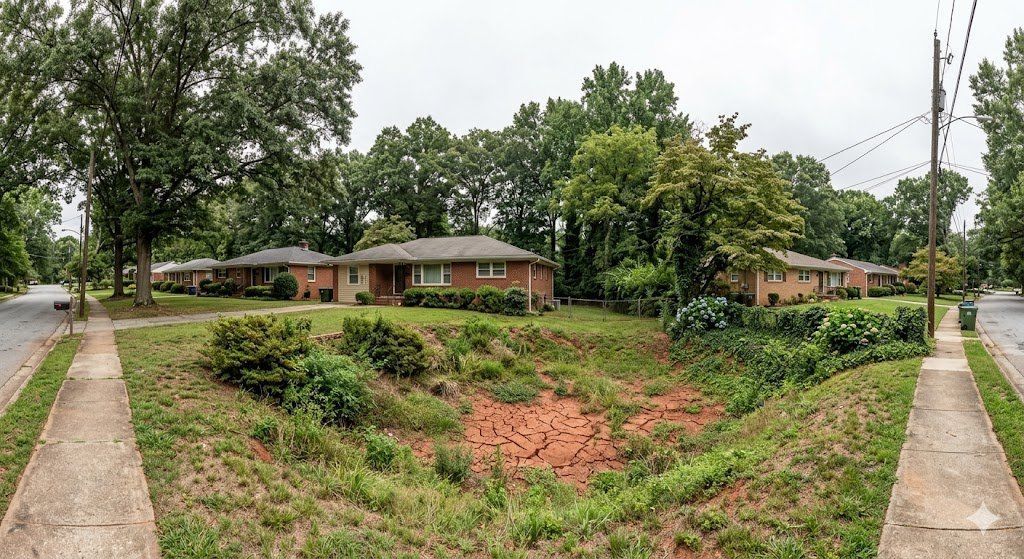
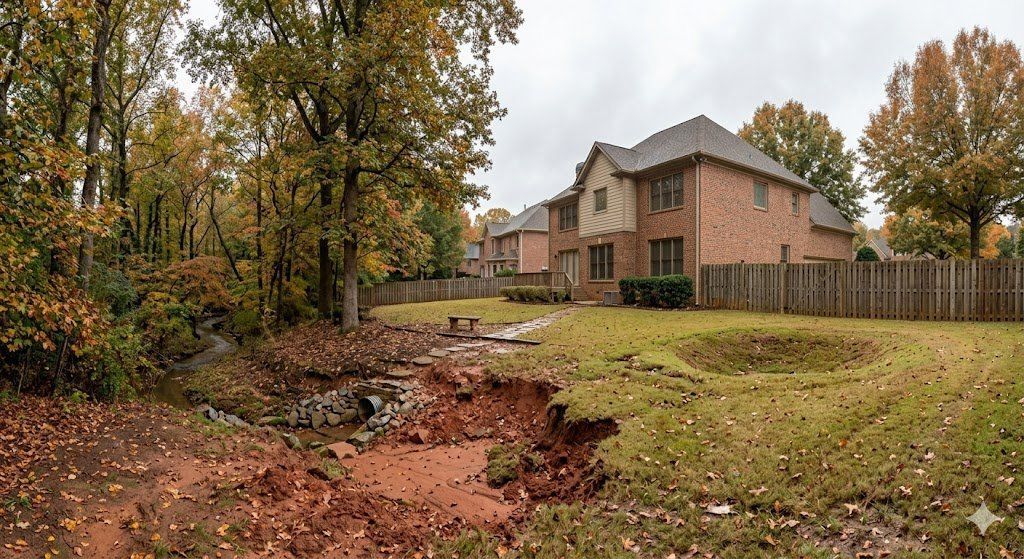
Atlanta has a documented and growing sinkhole problem. Aging sewer pipes, clay-heavy soil, and decades of buried construction debris all contribute to ground instability across Metro Atlanta, United States. In December 2025, residents of Abbey Road Condominiums in Decatur faced repair bills between $140,000 and $200,000 after sinkholes caused by underground pipe erosion plagued their community for years.
Many HOA boards don't know who's responsible until a sinkhole actually appears. By then, preparation is no longer possible. Reviewing your governing documents and speaking with your insurance agent now — before ground movement occurs — is the most effective step you can take.
What Your Governing Documents Determine
The starting point is your HOA's Declaration of Covenants, Conditions, and Restrictions — the CC&Rs. These documents define what counts as "common areas" versus individually owned property. That distinction determines who pays for repairs.
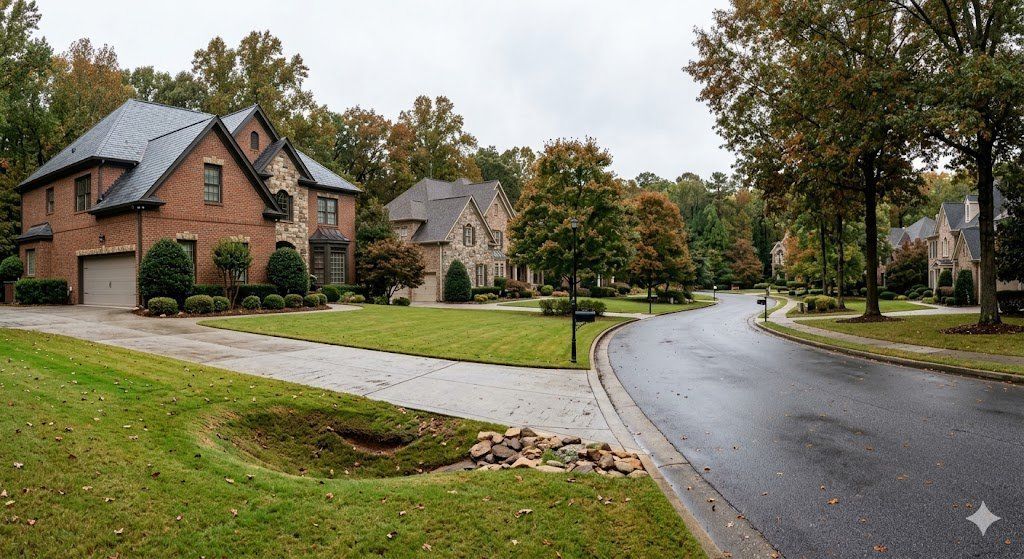
Sinkholes forming in common areas — shared green spaces, parking lots, pools, and walkways — are typically the HOA's financial responsibility. However, if a void extends under a private unit's foundation, driveway, or patio, responsibility may shift depending on how the CC&Rs are written. Foundation repair costs can be substantial, and knowing in advance which party bears that liability protects everyone.
Georgia law does not require HOAs to maintain reserve funds. Many communities therefore lack the financial cushion needed for large-scale foundation repair or soil remediation. That's exactly what happened at Abbey Road — the HOA raised owner fees to cover the cost. Review your documents now rather than after a collapse forces the issue.
When Pipe Failure Is the Cause
A significant number of Atlanta HOA sinkholes are caused by failing underground pipes. Aging sewer lines, deteriorating water mains, and eroded stormwater drains are the most common culprits. Atlanta's Department of Watershed Management has responded to pipe-related sinkhole emergencies near Georgia Tech, in the Summerhill neighborhood, and along Peachtree Street in Buckhead.
The key question is ownership. If the collapsed line is an HOA-maintained private utility, the association is typically responsible. If it's a municipal pipe owned by the City of Atlanta or a county utility authority, you may have a claim against the municipality — though those cases can be legally complex.
If you suspect a pipe failure, contact a licensed contractor for a professional sinkhole inspection and detection immediately. A documented engineering assessment establishes the root cause and gives your insurance company exactly what it needs to process a claim.

Does Your Insurance Coverage Include HOA Sinkhole Damage?
Most HOAs carry a master insurance policy covering common area property damage. However, standard commercial policies in Georgia often exclude sinkhole damage unless a specific endorsement has been added. Many HOA boards discover this gap only after filing a claim and receiving a denial.
Individual condo owner policies — called HO-6 policies — face the same limitation. Business owners operating within mixed-use HOA communities face identical exposure. Georgia does not require insurers to offer sinkhole coverage the way Florida does, leaving most property owners unprotected without a deliberate rider addition.
Before a sinkhole appears, request a certificate of insurance from your HOA management company and review it carefully. A certificate of insurance documents exactly what your master policy covers. Ask your insurance agent specifically whether earth movement or sinkhole coverage is included. Verbal assurances will not hold up when a claim is filed — get confirmation in writing.
When a sinkhole starts in a common area and damages a private unit, both insurance carriers often dispute responsibility. A detailed written assessment from a licensed contractor like Sinkhole Repair ATL documents cause, extent of damage, and full repair scope — giving all parties the evidence needed to resolve the claim.
How Much Does Sinkhole Repair Cost for an HOA?
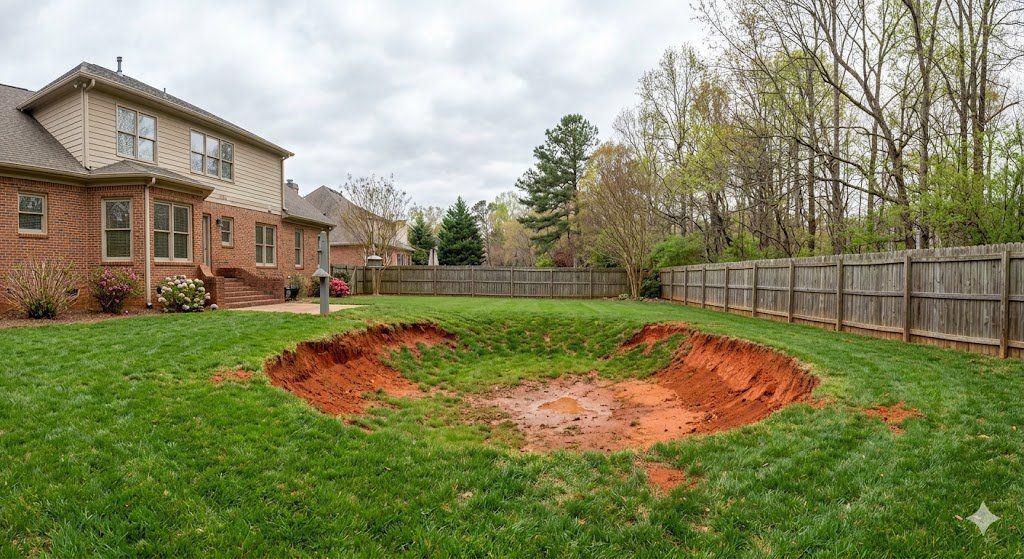
How much does sinkhole repair cost in an Atlanta HOA community? The answer depends on void size, depth, proximity to structures, and whether foundation repair is required. Minor yard voids typically start around $4,000. Larger voids requiring compaction grouting, foundation repair and underpinning, or structural stabilization can exceed $15,000 or more — and in complex HOA situations like Abbey Road, can reach six figures.
The most important cost factor is timing. Early-stage sinkholes detected before significant ground movement occurs are far less expensive to remediate. A void caught during a routine inspection costs a fraction of what an emergency collapse repair runs after structural damage has occurred. Our soil stabilization and foundation repair and underpinning services are designed to address both scenarios efficiently.

What to Do Right Now
Whether you're a unit owner, board member, business owner, or property manager, take these steps today:
- Review your CC&Rs to understand the repair responsibility framework
- Request a certificate of insurance from your HOA manager and verify earth movement coverage
- Contact your insurance agent to confirm whether a sinkhole endorsement is in place
- Schedule a proactive inspection if your development has older infrastructure or drainage issues
If you see warning signs — soft spots near common areas, cracks in walkways, or depressions forming in shared green spaces — do not ignore them. Our team provides free inspections throughout Metro Atlanta including Decatur, Marietta, Cumming, Sandy Springs, and Roswell. Call 844-308-1192 or request a free inspection online today.
Frequently Asked Questions
Who is responsible for HOA sinkhole repair in Atlanta?
It depends on where the sinkhole forms. Common area sinkholes are typically the HOA's responsibility. If a void extends under a private unit, responsibility may shift based on your CC&Rs. Always review your governing documents first.
Does insurance coverage include HOA sinkhole damage in Georgia?
Not automatically. Standard commercial policies in Georgia often exclude sinkhole damage. Request a certificate of insurance and ask your insurance agent specifically about earth movement coverage before you need it.
How much does sinkhole repair cost for an Atlanta HOA?
Minor repairs start around $4,000. Foundation repair and larger structural remediation can exceed $15,000. Sinkhole Repair ATL provides free inspections and written estimates with no obligation.
What should an HOA do when a sinkhole appears?
Act immediately. Contact a licensed sinkhole repair contractor for a professional inspection and written engineering report. This documentation supports your insurance coverage claim and protects the HOA from future liability.
Sinkhole Repair ATL
Serving Atlanta, GA and all of Metro Atlanta
📞 844-308-1192
🌐 www.sinkholerepairatl.com
Free Inspections | 24/7 Emergency Service | Licensed & Insured